
 Производство
SFP coding box universal web programmer for modern optical transceivers and diagnostics
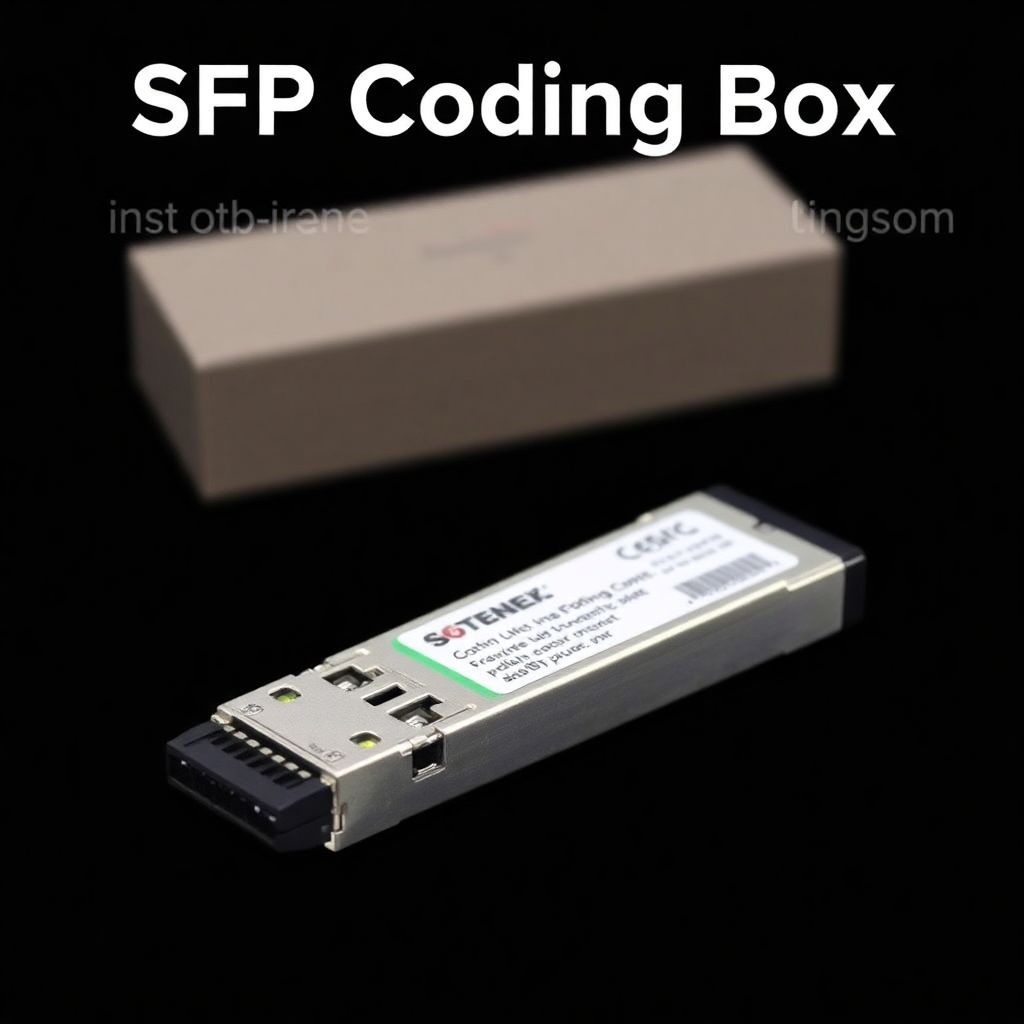
SFP Coding Box: Universal Web-Based Programmer for Modern Optical Transceivers
Network engineers and data center teams are under constant pressure to keep links flexible, interoperable, and cost-effective. Yet many still struggle with inconsistent tools, driver issues, and limited vendor utilities when working with optical transceivers. A modern approach is to use a universal, web-based programmer that can handle multiple form factors in a single streamlined workflow.
This article explores how a dedicated SFP coding box–style solution helps you configure and diagnose transceivers directly from the browser. Instead of juggling different software packages or hunting for compatible drivers, you work with one interface that speaks the language of your optics. The result is faster turnarounds, simpler lab and field work, and more control over your optics inventory.
Below, we break down what such a platform looks like in action, which transceiver types it supports, and why teams are moving to a unified, MSA-aware toolset in 2026. You will see how web-based operation, detailed diagnostics, and structured reports can upgrade both daily troubleshooting and long-term network planning.
What an SFP Coding Box Is and Why It Matters in 2026
An SFP-focused optical transceiver programmer is a compact hardware device paired with a web application that together act as a universal interface for optical modules in lab and production networks. The hardware accepts standard sfp modules along with other common form factors and exposes their EEPROM memory to the application, which runs entirely in a browser without installing drivers or native software. Through this interface, engineers gain direct, structured access to identifiers, power levels, and capability flags that dictate how a switch or router interprets each module. In practice, the programmer becomes a central point for managing optics across racks, sites, and vendors in a consistent, repeatable way.
In daily workflows, such a solution streamlines routine tasks like reconfiguring vendor or platform IDs, adjusting compliance fields, and verifying serial and part numbers before modules are deployed or returned to inventory. Instead of juggling vendor-specific tools or outdated utilities on legacy laptops, teams connect one box to a workstation, open the browser, and start working across major operating systems with the same interface. This approach fits 2026 realities, where dense 10G, 25G, and 100G links coexist, budgets push toward reusing optics, and mixed-vendor environments are the norm rather than the exception, making a dedicated sfp coding box an operational necessity.
A modern implementation responds directly to these pressures by centering everything on the browser and an intentionally simple hardware bridge for sfp modules and beyond. With no dependency on OS-specific drivers, it eliminates a classic source of friction that slows turn-up windows and troubleshooting sessions, particularly in remote or secured facilities where installing software is restricted. As optics are repurposed between platforms or data centers, the programmer enables fast confirmation that memory contents match design standards and that labeling accurately reflects configured parameters. This combination of flexibility, reduced tooling overhead, and direct control over module identity is what sets a contemporary coding solution apart in current high-speed networking environments.
Universal Support for SFP, QSFP, QSFP-DD, OSFP, and Legacy Form Factors
True universality in an optical transceiver programmer means treating every form factor as a first-class citizen instead of optimizing for a single connector type. Many deployments still begin with sfp modules at the access or aggregation layer, but rapidly grow into dense 100G, 200G, and 400G environments using QSFP, QSFP-DD, and OSFP, often in parallel with XFP and SFP-DD hardware and, in legacy closets, even GBIC-based gear. A single browser-based interface attached to the same physical box can interrogate the cage, identify the inserted module type, and present the correct MSA layout without requiring manual profile selection or vendor plug-ins.
In practice, this means a lab bench can host mixed-speed optics for interoperability testing while remote engineers connect over VPN and see identical memory maps, threshold values, and writable fields on macOS, Windows, or Linux. A field technician working in an older metro POP can revalidate GBIC optics, then immediately pivot to QSFP28 modules for a backbone upgrade, never changing tools or installing drivers on locked-down corporate laptops. The same workflow extends into hyperscale racks where OSFP and QSFP-DD modules coexist, streamlining qualification, recoding operations, and diagnostics across generations of hardware with consistent browser behavior and access control, regardless of where team members are located or which operating systems they prefer for daily coding tasks.
Browser-Based Memory Access, MSA Decoding, and DDM Diagnostics
A browser-based interface turns transceiver memory access into a controlled, predictable process by exposing every relevant EEPROM page while enforcing guardrails around protected regions. Engineers can inspect low-level hex data or switch to structured views, then perform targeted writes to configurable fields without risking corruption of calibration tables or other factory data. Session logs capture each operation with timestamps and field-level diffs, creating a reliable audit trail that supports internal compliance checks and collaborative troubleshooting. Because the logic runs in the web layer, the same behavior appears on any operating system or device, avoiding driver conflicts and ensuring consistent results everywhere the tool is deployed.
The application continuously interprets MSA-defined registers and presents them as clear parameters such as wavelength, supported speed profiles, vendor and part identifiers, and compatibility indicators. Real-time DDM streams expose temperature, supply voltage, transmit and receive optical power, and laser bias current directly in the browser, with polling intervals optimized to avoid overloading the host. Thresholds and trend snapshots make emerging issues visible before they escalate into link failures, while exported diagnostic data can be attached to tickets, maintenance reports, or lab analyses. A technician examining an sfp in the field and an engineer validating configuration in a lab environment receive identical decoded views, enabling precise remote guidance and minimizing miscommunication during complex coding workflows on the same box.
Why Teams Choose a Three-Part Optical Transceiver Solution
Teams favor a three-part optical transceiver solution because each layer addresses a different source of friction while staying tightly integrated. The dedicated hardware programmer terminates electrical and management interfaces for sfp, QSFP, QSFP-DD, OSFP, and legacy modules, so engineers no longer juggle multiple adapters or wonder whether a laptop port will cooperate. The browser-based application becomes the intelligence layer, mapping raw memory to MSA fields, handling profile selection, enforcing safe access levels, and presenting diagnostics in a consistent way across module families. On top of this, a documented workflow defines repeatable steps for provisioning, testing, and refurbishing optics, which turns what was once tribal knowledge into a standardized operating procedure.
In practical use, the three-part structure lets a team spin up a new rack by treating transceivers as a managed asset class, not an afterthought. Engineers plug modules into the hardware, follow the coding and validation workflow in the app, and tag optics as ready for service only after power, DOM metrics, and vendor profiles pass policy checks. When a batch of modules arrives from different suppliers, the same environment can identify mismatched firmware, incompatible encodings, or out-of-spec temperature behavior before any device reaches production. During a data center migration, staff can connect carts of pulled optics to the programmer and run a refurbishment workflow that clears stale settings, verifies health, and logs inventory against CMDB records, with a single dashboard acting as the reference point for every transceiver-related task.
This combination directly reduces vendor lock-in because hardware and software no longer assume a single brand or SKU, making it easier to qualify second-source optics without rewriting processes. Extending the usable life of modules becomes normal practice, since the workflow encourages retesting and recertification instead of default replacement whenever link issues appear. Operational risk falls as technicians follow guided steps rather than ad hoc command sequences, which cuts down on misprogrammed parts and surprise incompatibilities during maintenance windows. Project timelines shorten, because racks, leaf-spine expansions, and regional POP builds can run on a predictable transceiver pipeline instead of waiting on last-minute deliveries or emergency configuration fixes. Teams looking to understand how such a system works in detail can explore real-world examples at https://codingbox.online/, where the three-part pattern becomes clear in everyday network operations.
Choosing the right platform to manage optical transceivers is now a strategic decision rather than a minor tooling choice. A web-first programmer that unifies configuration, diagnostics, and reporting lets engineers focus on link design and reliability instead of wrestling with drivers or incompatible utilities. By centralizing your workflows in the browser, you gain a predictable and consistent way to handle modules across labs, staging racks, and production environments.
The combination of universal hardware support and MSA-aware software brings clarity to what was once a fragmented process. Engineers can quickly read and adjust key parameters, verify that modules match the intended platforms, and capture DDM insights that feed directly into capacity planning and preventive maintenance. This shift not only saves time in the moment but also improves the quality of documentation and handoffs between teams.
As networks scale in speed and complexity through 2026, adopting a dedicated tool for transceiver management becomes an easy win. A focused solution helps you extend the life of existing optics, avoid unnecessary purchases, and maintain flexibility amid multi-vendor environments. By standardizing on a browser-based programmer, organizations can align operational practices, reduce configuration risk, and maintain tighter control over the optical layer that underpins every critical service.
